The Sustainability Story
Jamie Durie’s Future House follows award-winning designer and sustainability advocate Jamie Durie as he tackles the housing crisis by reimagining how homes can be built for the future. Documenting the real-world construction of three innovative houses for three different families, each using a modern building method to deliver sustainable, resilient, cost-effective and stylish homes in just three months across three different budget levels.
Durie brings together leading builders, designers and innovators to push construction boundaries — from 3D-printed concrete at his own rural property with his partner Ameka and their children, to other breakthrough methods used by the Fox and Quercini families. Viewers witness the challenges of weather, red tape, deadlines and budget pressures as each build unfolds. At the end of the season, the Green Building Council of Australia and national housing leaders evaluate the homes to crown Australia’s “Future House.”
Below, we dive into the detail around the sustainability of each of the Future House builds, to highlight how the future of housing can be as easy on the environment as it is on the hip pocket.
Nashua House
Jamie Durie and Ameka Jane
On their picturesque Bangalow dairy farm, Jamie and Ameka set out to build one of Australia’s most innovative homes: a 3D-printed, sustainable, off-grid residence designed to raise their young family close to nature. The home incorporates:
30 % to70% reduced-carbon concrete
100% Recycled- Lock Pods in Concrete and 100% recycled structural steel
40% recycled 3D Printed columns and walls
Energy efficient LED lights
Heat Pump system for floors, hot water etc.
Zero VOC paints
Rooftop Gardens
Off Grid Solar sytem
Rain water tanks
Waste timber internal and external zero chemical cladding
Recycled plastic erosion control drveways, roof and pathways
Recycled-glass tiles made from TV and PC screens
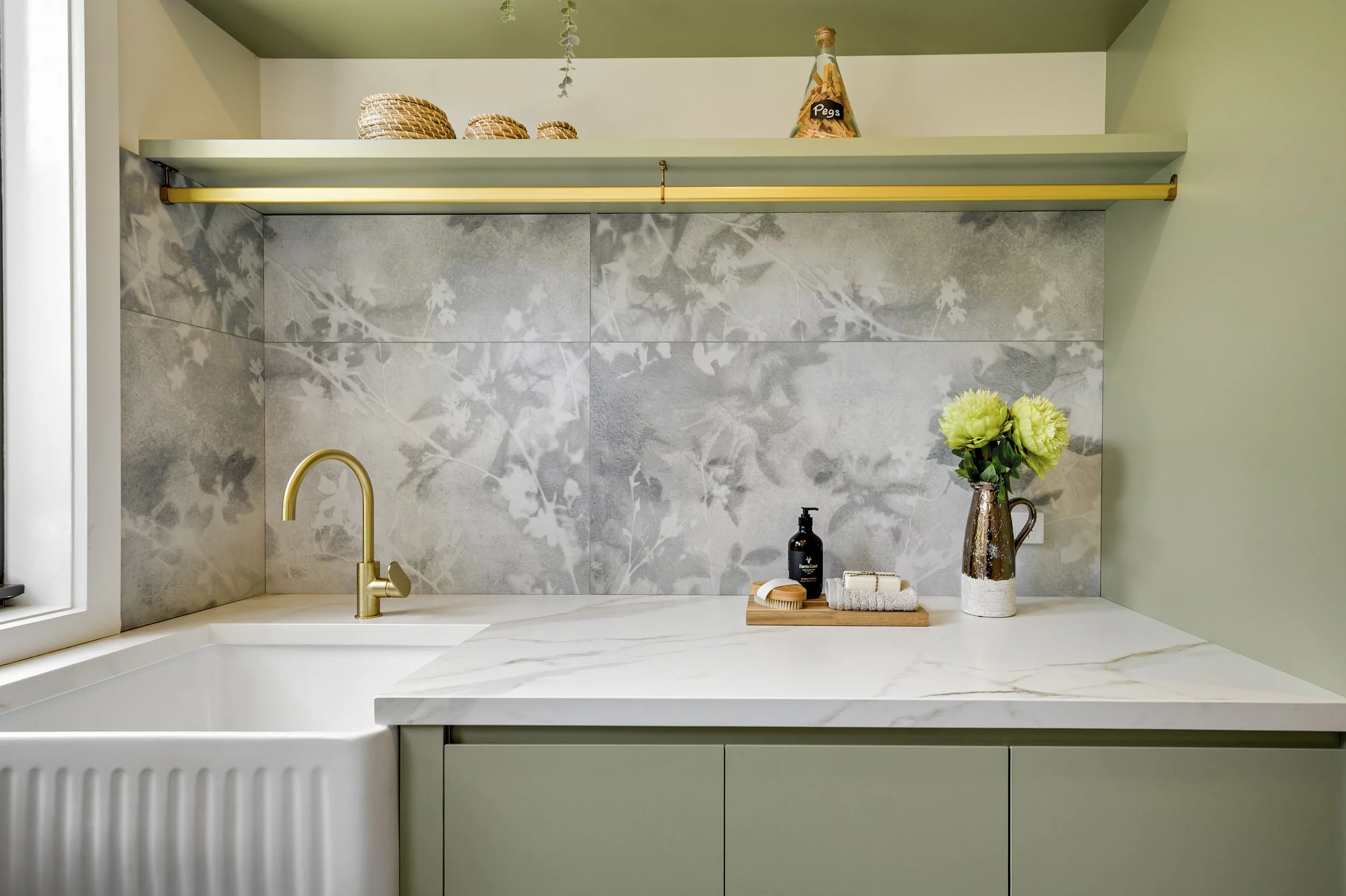
And, of course, Neolith, chosen for its low-silica formulation, carbon-neutral manufacturing and resilience in an off-grid environment.
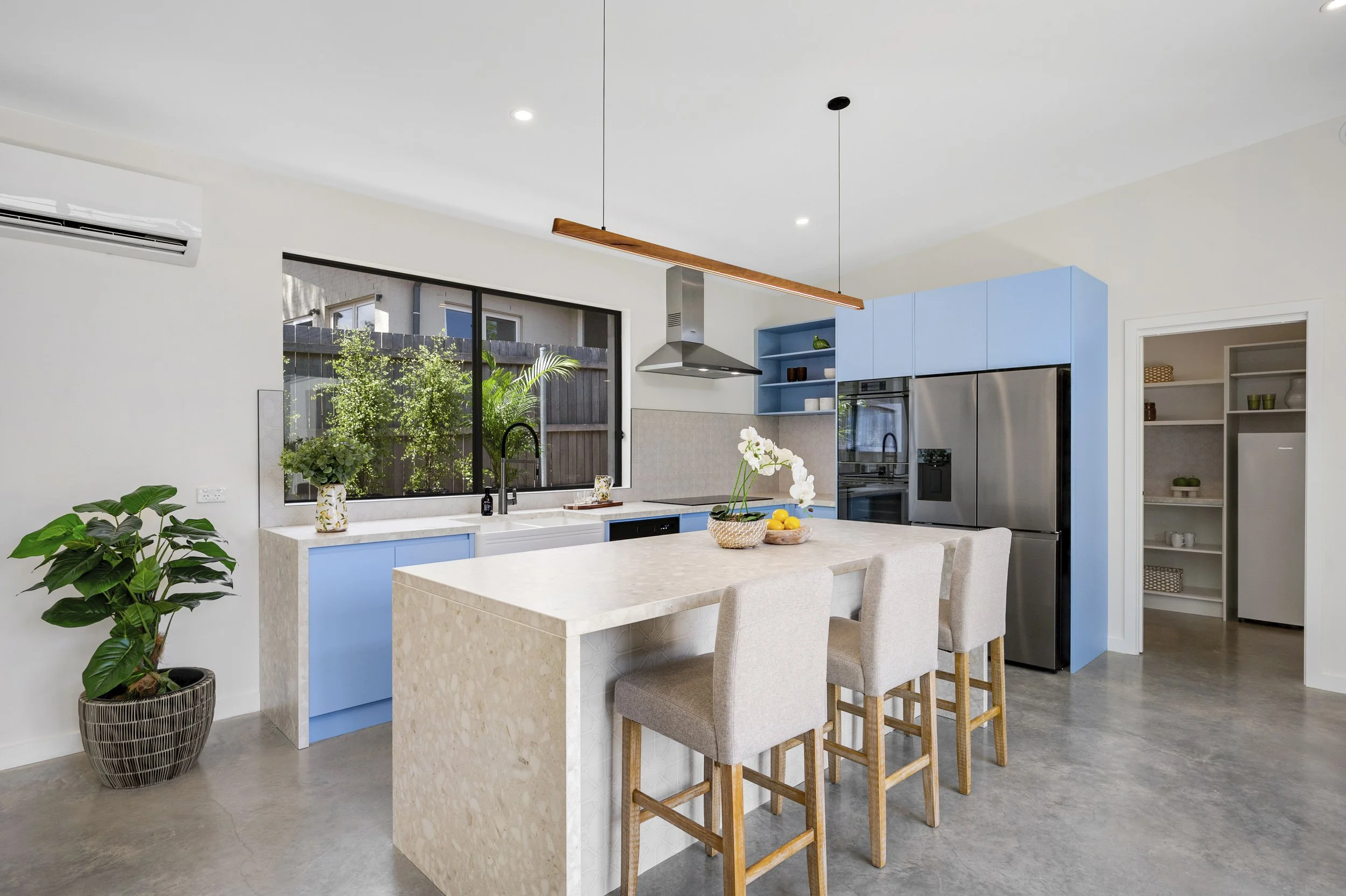
Canberra House
Sean & Sarah Quercini
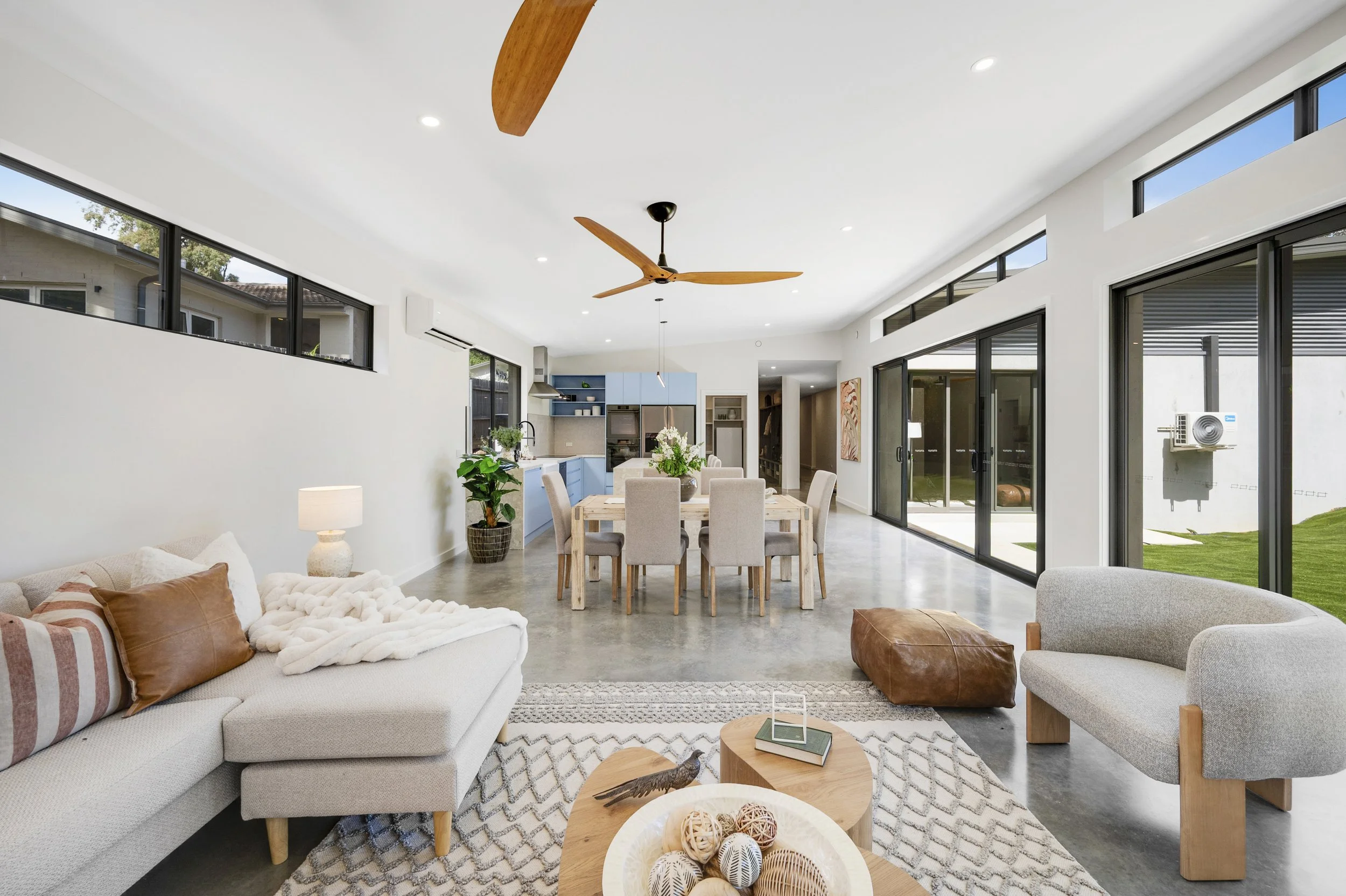
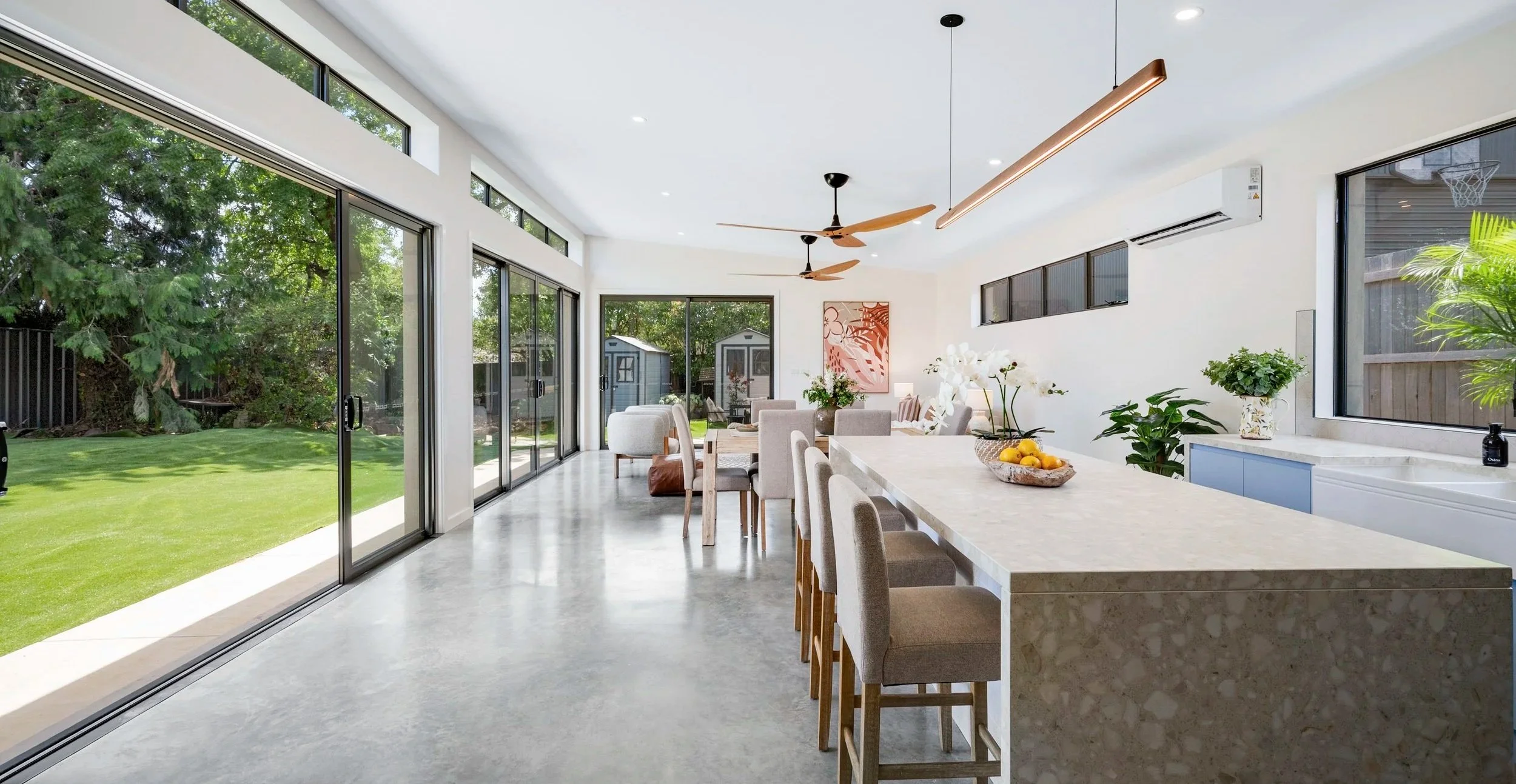
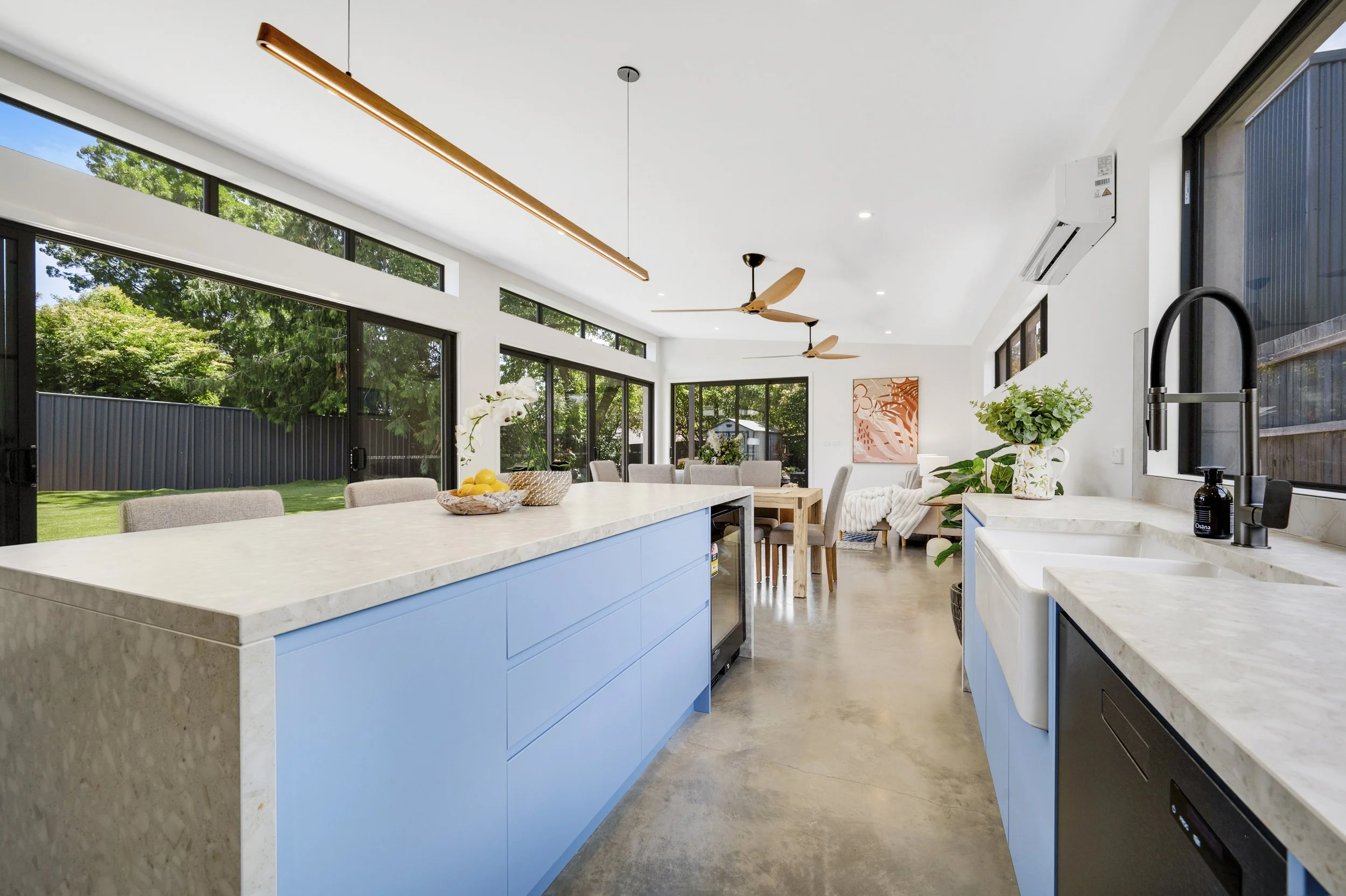
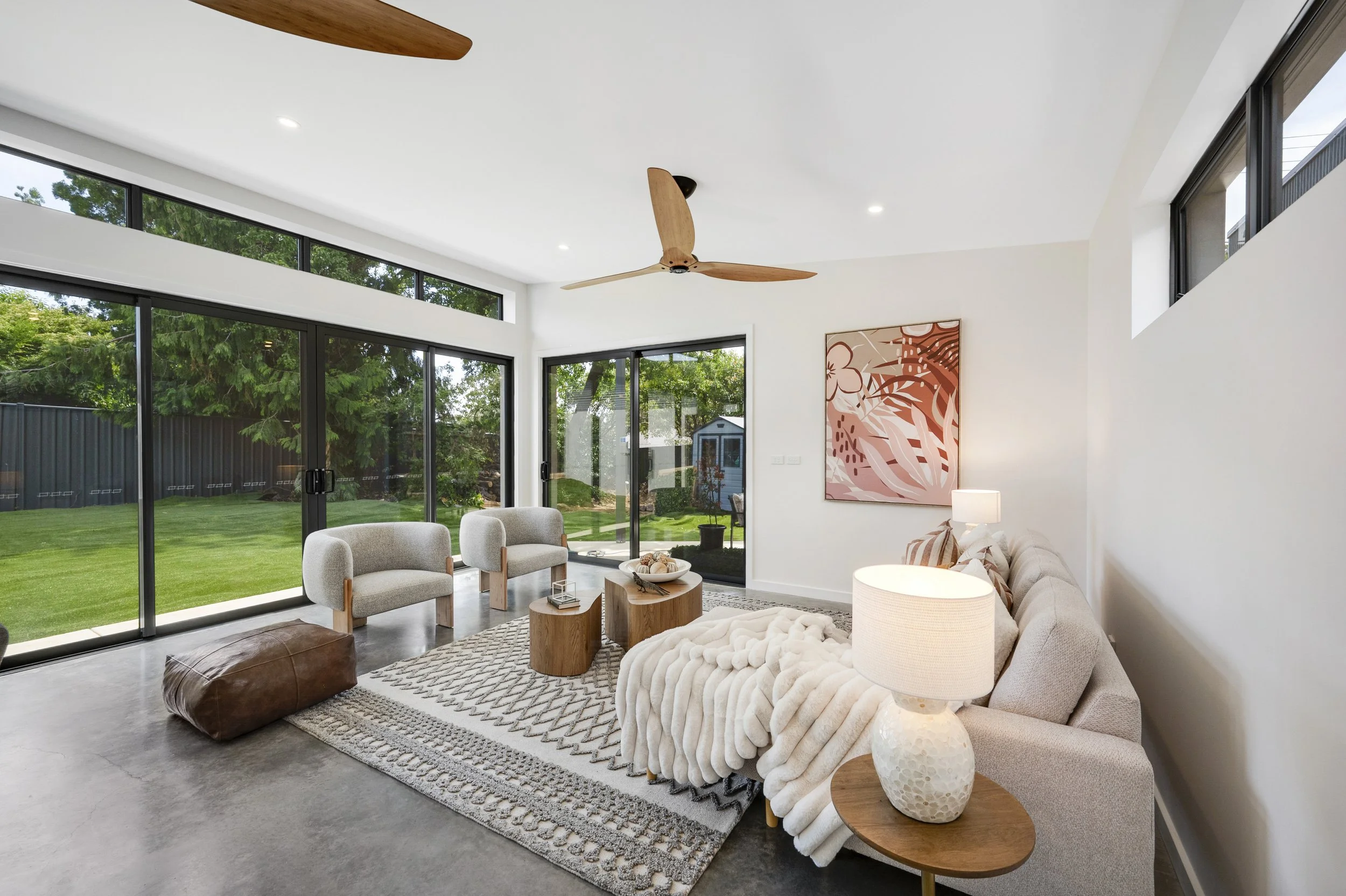
On their Canberra property, the Quercini family opted for a balanced approach. Utilising as much of the natural environment to help heat and cool the house by installing north-facing windows and doors, heat pump systems, and solar capture and storage technology.
NatHERS rating of 7 Stars
Solar Energy and Battery Storage
Rainwater catchment and utilisation
5 Star well rating for all taps, toilets and showers
Heat Pump system for floors, hot water etc.
North facing windows and doors in living and bedrooms for thermal comfort
Insulation is all natural wall batts. R2.5 walls and R5 in ceilings
Double-glazed windows
Recycled concrete retaining walls
Blackheath House
Michael and Helen Fox
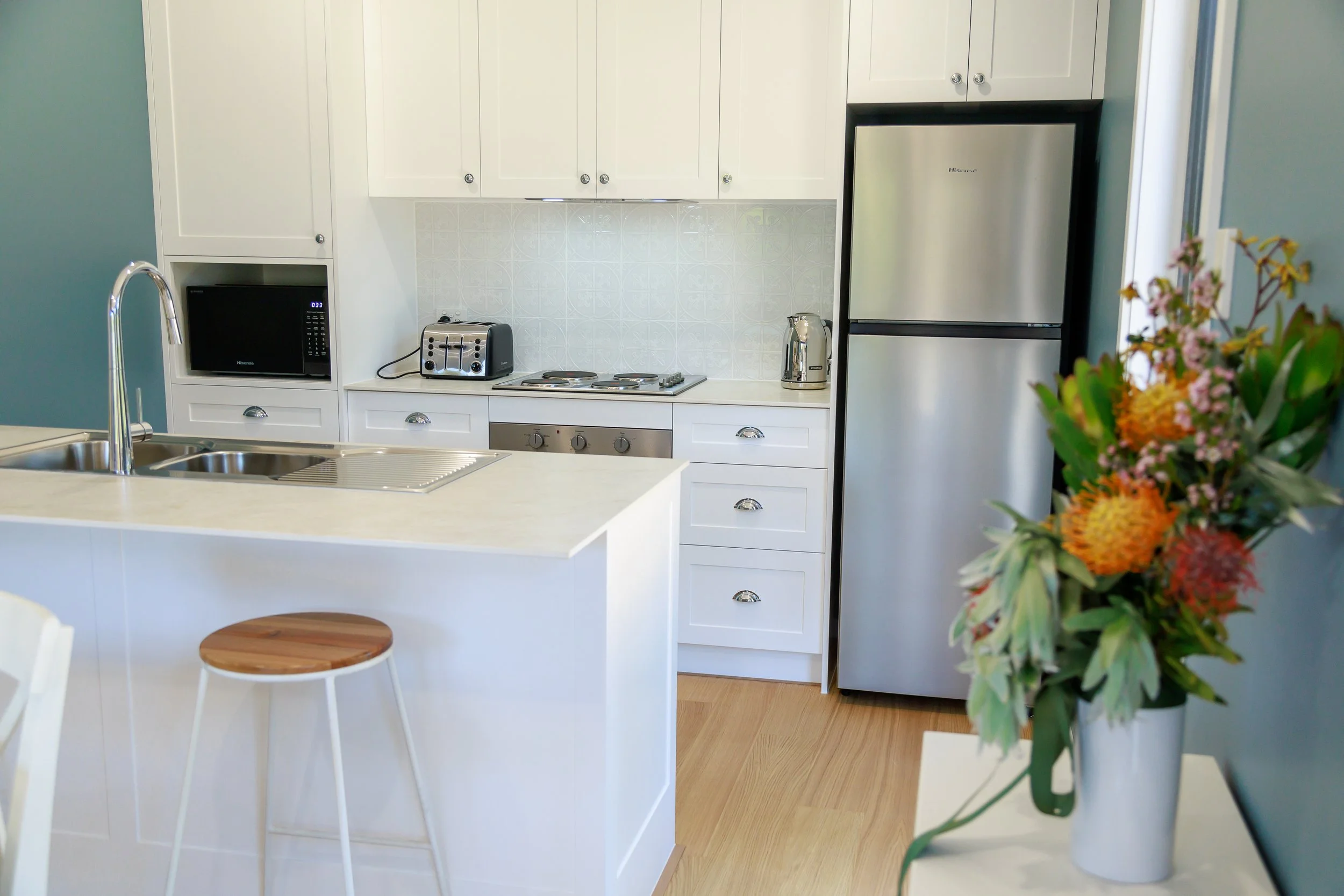
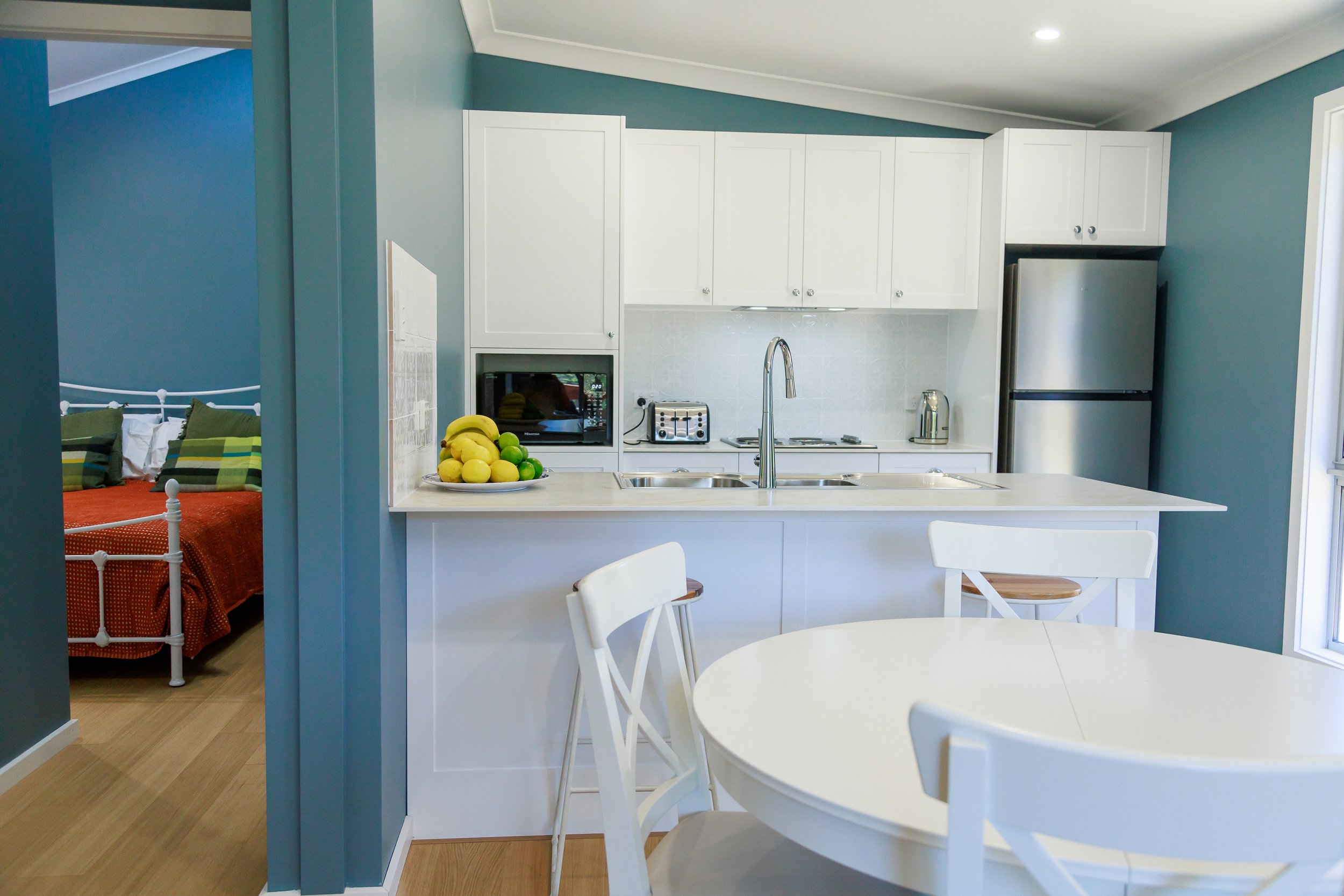
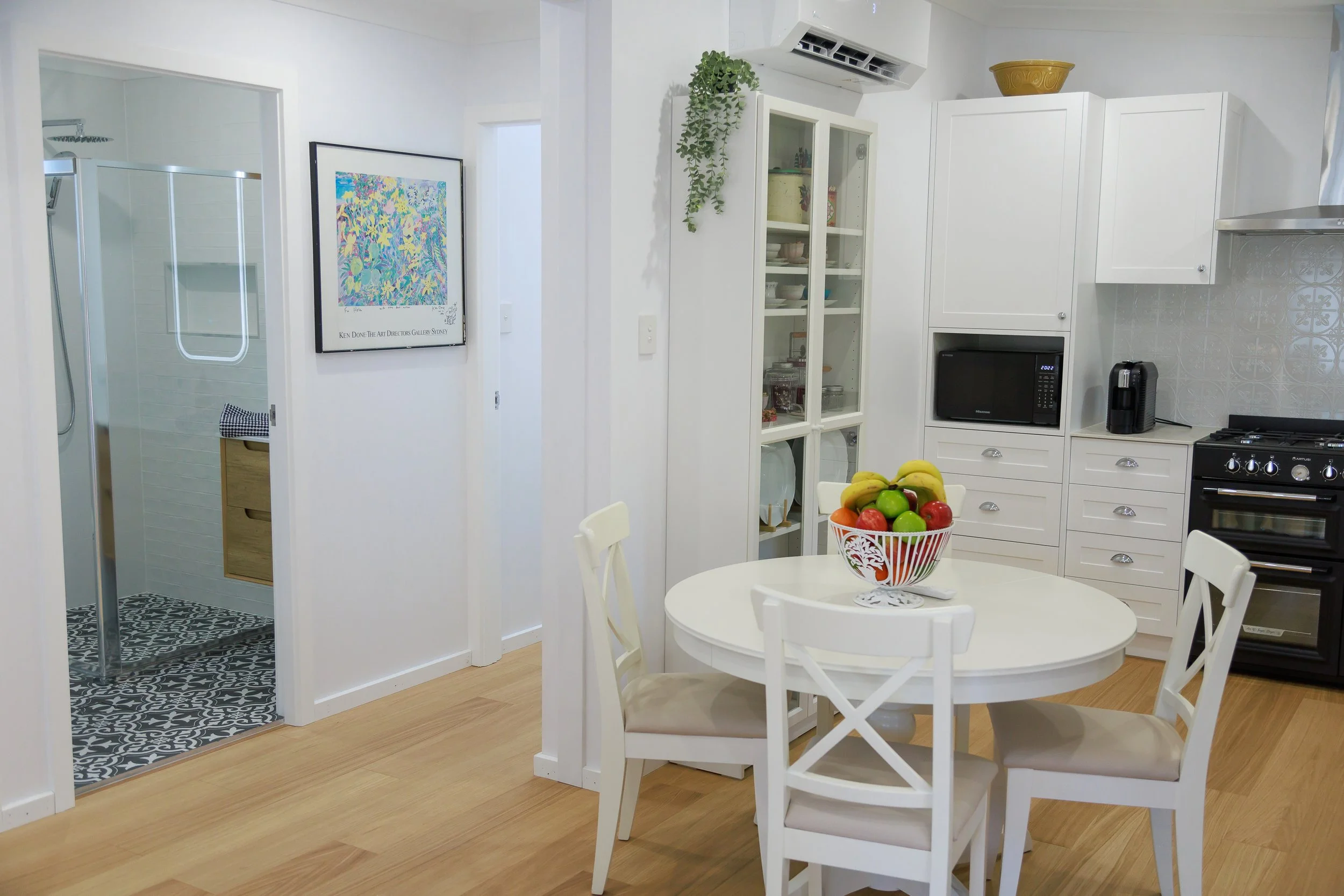
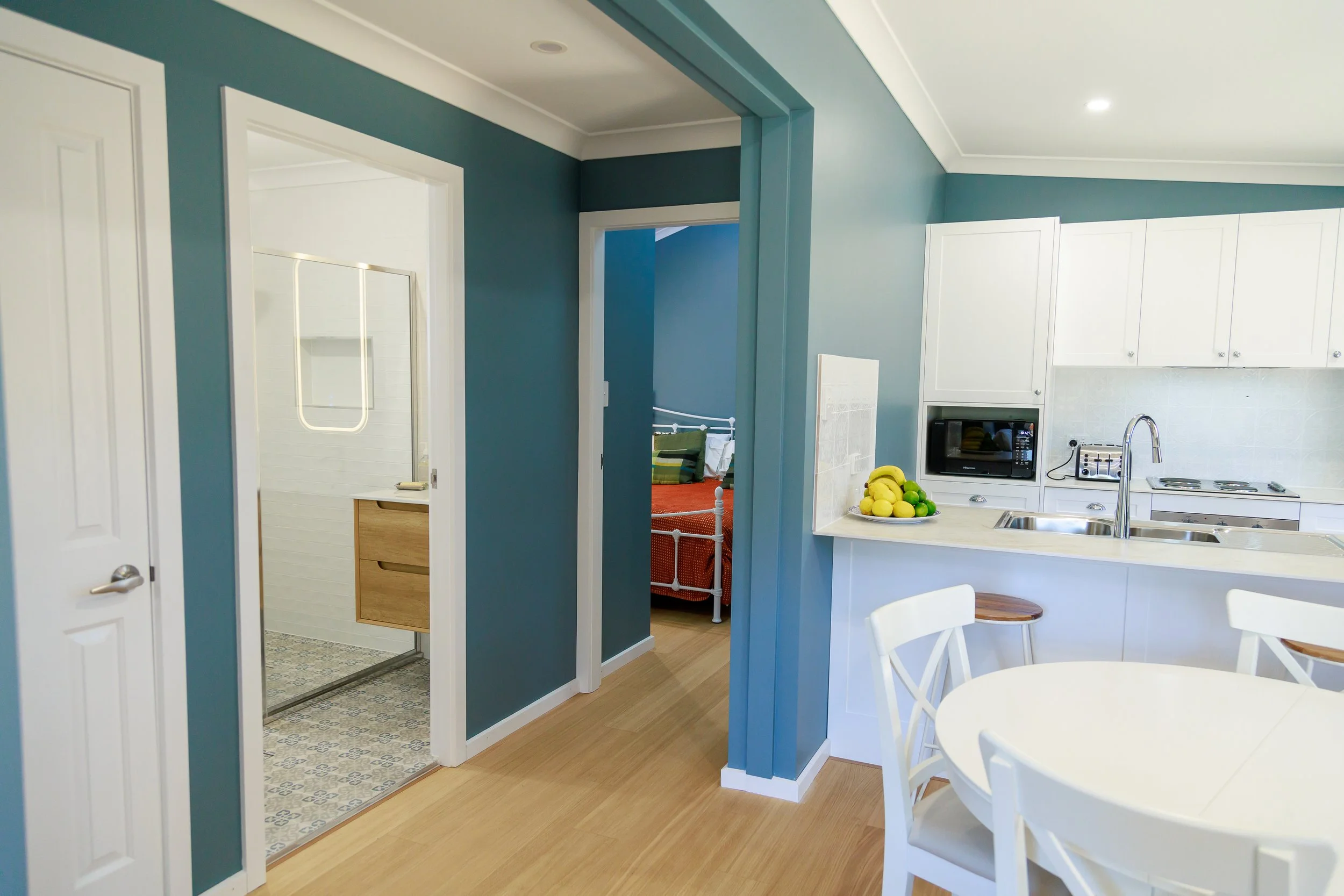
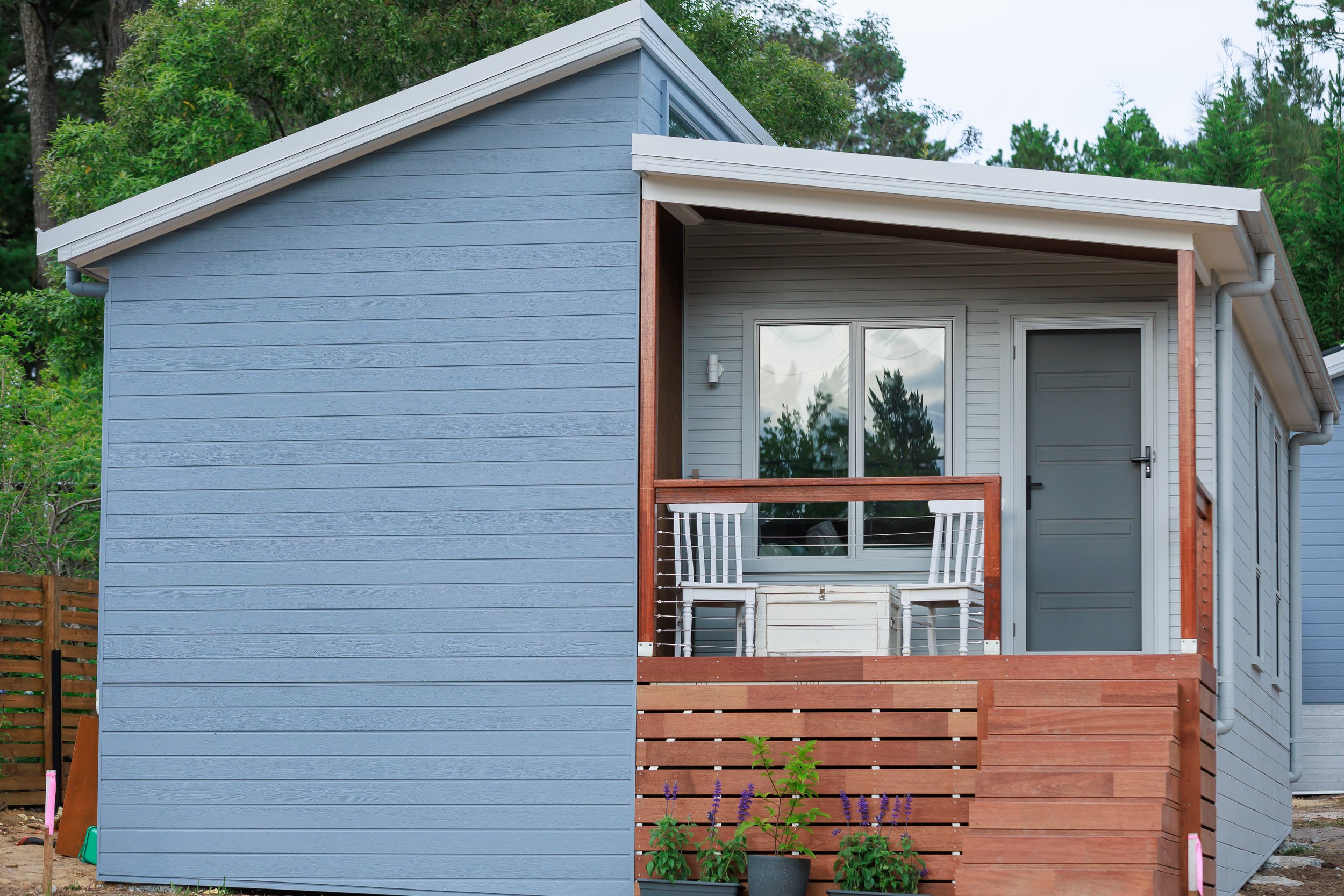
Given the nature and rules surround relocatable homes in New South Wales, Michael and Helen Fox’s duel dwellings utilised light colours and enhanced acoustics to create a space that allows for comfort and wellbeing, while still showcasing how simple things such as house orientation and rainwater catchment can be used to tread lightly on the planet.
Rainwater catchment and utilisation
3 to 5 Star Well rating for all taps, toilets and showers
Light Colourbond Roofing for heat abatement
Weathertex Cladding
Subfloor Enclosure
Heat Pump system for floors, hot water etc
Acoustic Upgrades to walls, roof, windows and doors
North facing windows and doors in living and bedrooms for thermal comfort